

Monopolistic Competition Shapes Global Market Dynamics
WorldMonitor reports that global markets are increasingly shaped by monopolistic competition, a market structure where firms offer differentiated products and strategies to gain market share. This model lies between perfect competition and monopoly, with businesses competing on multiple dimensions beyond price.
Global Context
Monopolistic competition is a key economic framework that describes the behavior of firms in markets where products are similar but not identical. This structure is prevalent in industries such as food, technology, and consumer goods, where differentiation through branding, quality, and customer service plays a critical role.
Unlike perfect competition, where products are indistinguishable, monopolistically competitive markets allow firms to exert some pricing power through product differentiation. This dynamic is evident in industries ranging from fast food to digital services, where companies compete not only on price but also on innovation and customer experience.
However, the ease of entry and exit in these markets means that firms must continuously innovate and adapt to maintain their competitive edge. This environment fosters both competition and innovation, shaping the global economy in significant ways.

Monopolistic competition also influences the tech sector, where companies differentiate themselves through features, user experience, and branding. This model explains why tech firms invest heavily in advertising and product development to stand out in crowded markets.

Additionally, the quality of customer service and the speed of delivery are important differentiators in the food industry. These factors contribute to the overall customer experience and can significantly impact a business's market position.

Through advertising, businesses can highlight the distinct features of their offerings, such to the unique ingredients or the distinctive style of their pizza. This helps to justify higher prices and maintain a loyal customer base.
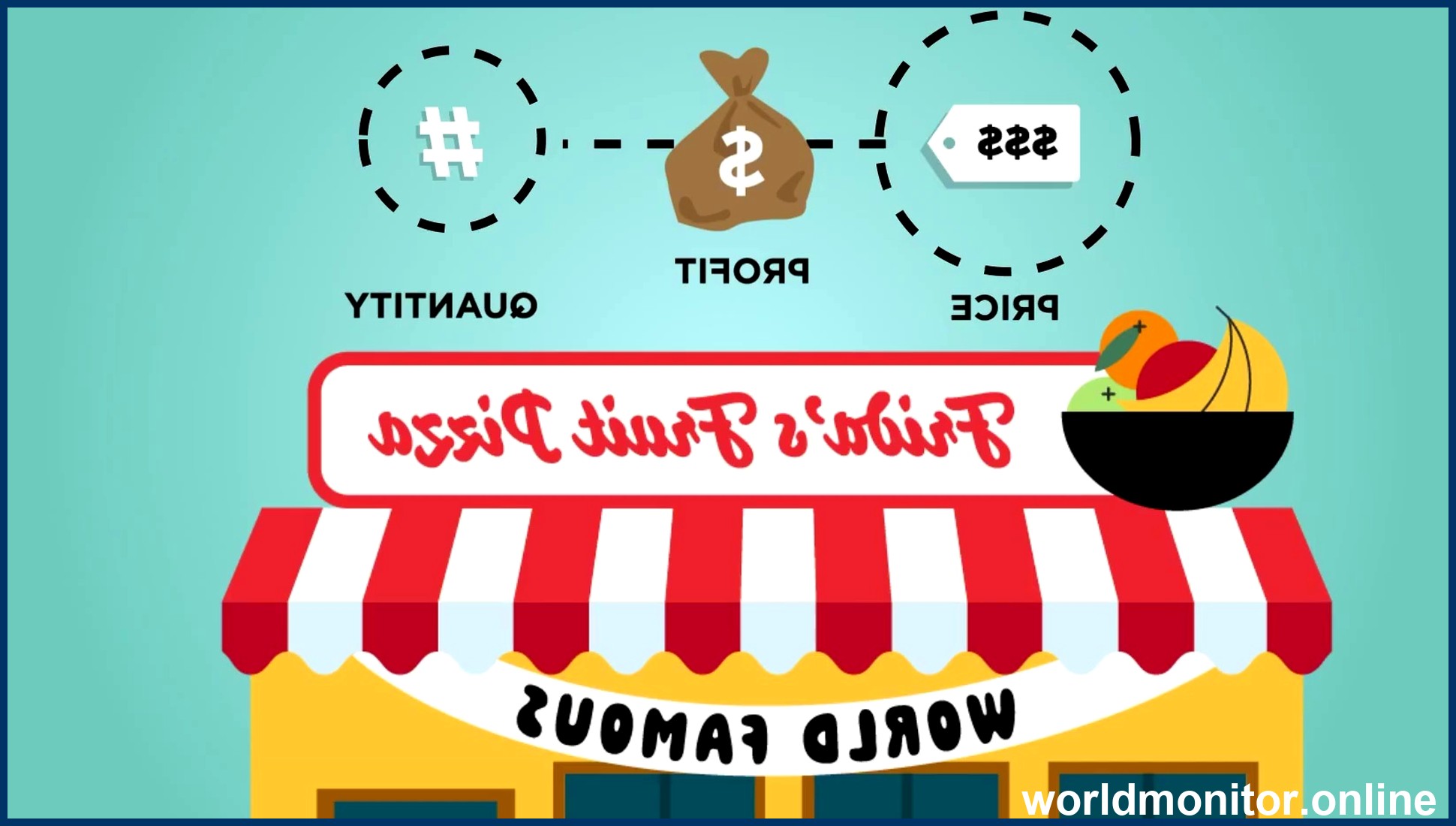
This pricing strategy reflects the firms' ability to exert some control over prices due to product differentiation. However, the threat of new entrants in the market means that these businesses must remain vigilant and adaptive to maintain their market position.

As global markets continue to evolve, the principles of monopolistic competition will remain a key factor in shaping business strategies and economic outcomes. Understanding this model is essential for policymakers, entrepreneurs, and investors seeking to navigate the complexities of the modern global economy.