

Global Semiconductor Cartel Controls 95% of DRAM Market
Modern technology appears to be a battlefield of fierce competition, but beneath the surface lies a tightly controlled oligopoly. The global semiconductor industry has consolidated from dozens of competitors in the 1980s into a three-headed cartel that dictates prices and supply. This oligopoly, composed of Samsung and SK High-Nix in South Korea, and Microne Technology in the United States, controls 95% of the DRAM market, effectively acting as the OPEC of the digital age.
Global Context
DRAM, or dynamic random access memory, is the short-term working memory that allows devices to function. Without it, even the most advanced microchip is useless. The three companies that dominate this market operate as a disciplined oligopoly, restricting supply and manipulating prices rather than competing on price.
The Rise of the Semiconductor Cartel
When global demand for electronics drops, these companies do not lower prices to compete. Instead, they turn off their machines, restrict supply, and force prices up. This has created a situation where consumers pay an invisible tax for every piece of modern electronics they purchase. The story of this consolidation is one of strategic dominance, market control, and the emergence of a $20 billion industry around these three companies.
From Chaos to Control
In the 1970s and 1980s, the memory chip market was a brutal battlefield with 23 aggressive suppliers. American firms like Intel, Motorola, and Texas Instruments dominated, but Japanese conglomerates like Hitachi, NEC, Toshiba, and Fujitsu entered with state-backed support. Their higher manufacturing yields allowed them to produce DRAM cheaper, leading to a dramatic price drop and the collapse of the American industry.
By 1985, Japanese manufacturers were accused of dumping 256K DRAM chips 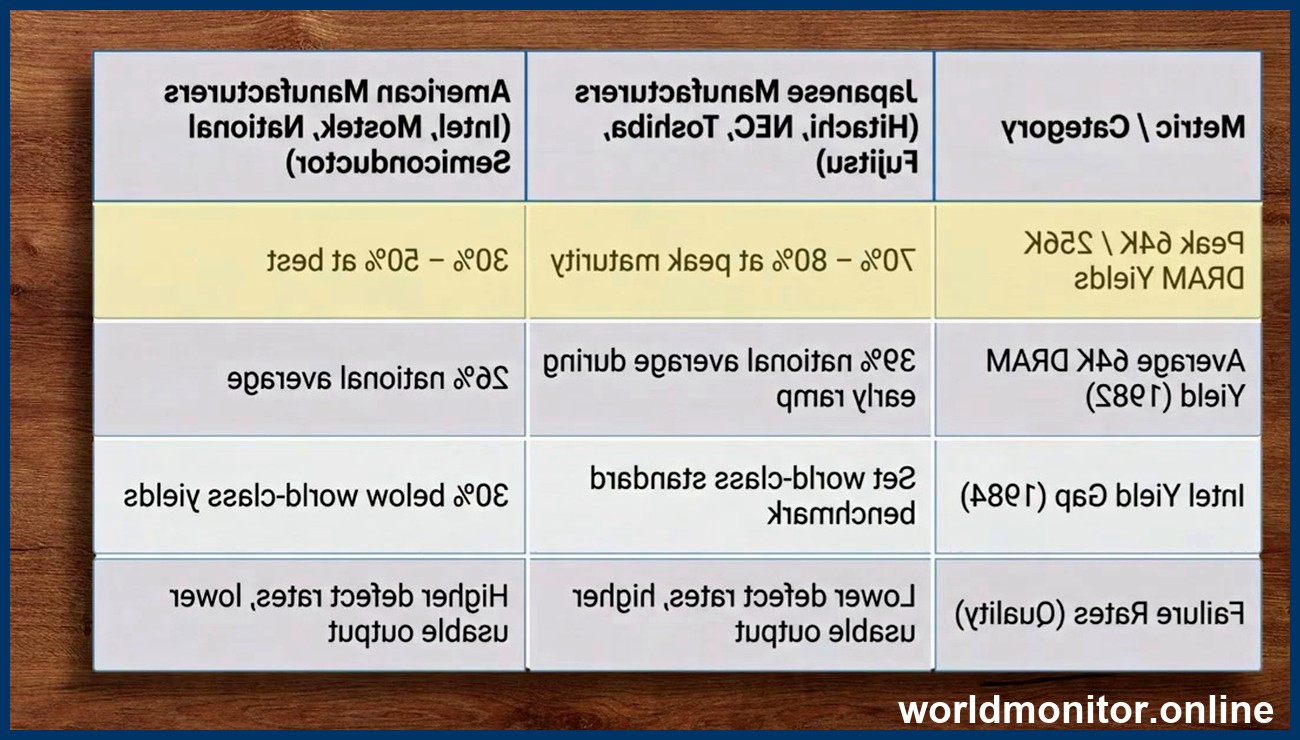
The Korean Takeover
By the 1990s, the South Korean government deployed the same strategy, but with even more aggressive tactics. This marked the beginning of the current oligopoly, with Samsung and SK High-Nix emerging as dominant players. The transition from Japanese dominance to Korean control set the stage for the modern semiconductor landscape.
The result is a market where three companies control the majority of DRAM production, shaping the digital economy through supply manipulation and pricing power. This has significant implications for consumers and the global tech industry, as the companies continue to prioritize the artificial intelligence boom over the everyday consumer market.
Implications for the Future
The dominance of these three companies has created a situation where global supply and pricing are dictated by a small group of entities. This has led to a situation where the consumer electronics market is being starved to fund the multi-billion dollar artificial intelligence boom. The implications for the global economy and technology industry are profound, with the potential for further consolidation and increased market control.
As the semiconductor industry continues to evolve, the role of these three companies will remain central. Their ability to control supply and prices will continue to shape the future of technology and the global economy. The story of their rise and dominance is a testament to the power of strategic dominance and market control in the digital age.