Circular Flow Model Explains Global Economic Dynamics
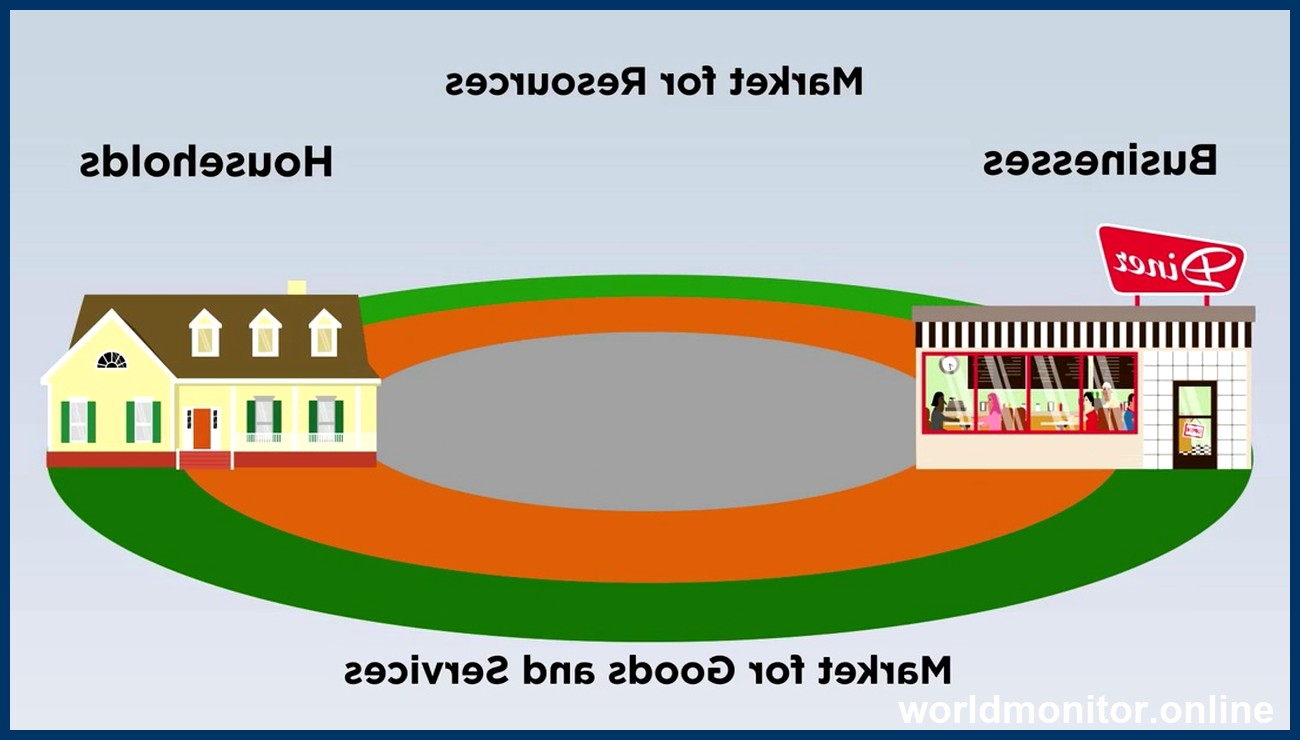
The circular flow model provides a fundamental framework for understanding how economic activity operates globally, illustrating the interconnectedness of households, businesses, and markets. This model highlights the continuous movement of resources, goods, and money between different economic entities, offering critical insights into global economic interdependence.
Global Context
As economies become increasingly interconnected, the circular flow model serves as a vital tool for analyzing economic relationships across borders. Understanding these dynamics is essential for policymakers, businesses, and individuals navigating the complexities of the global economy.
Understanding the Circular Flow Model
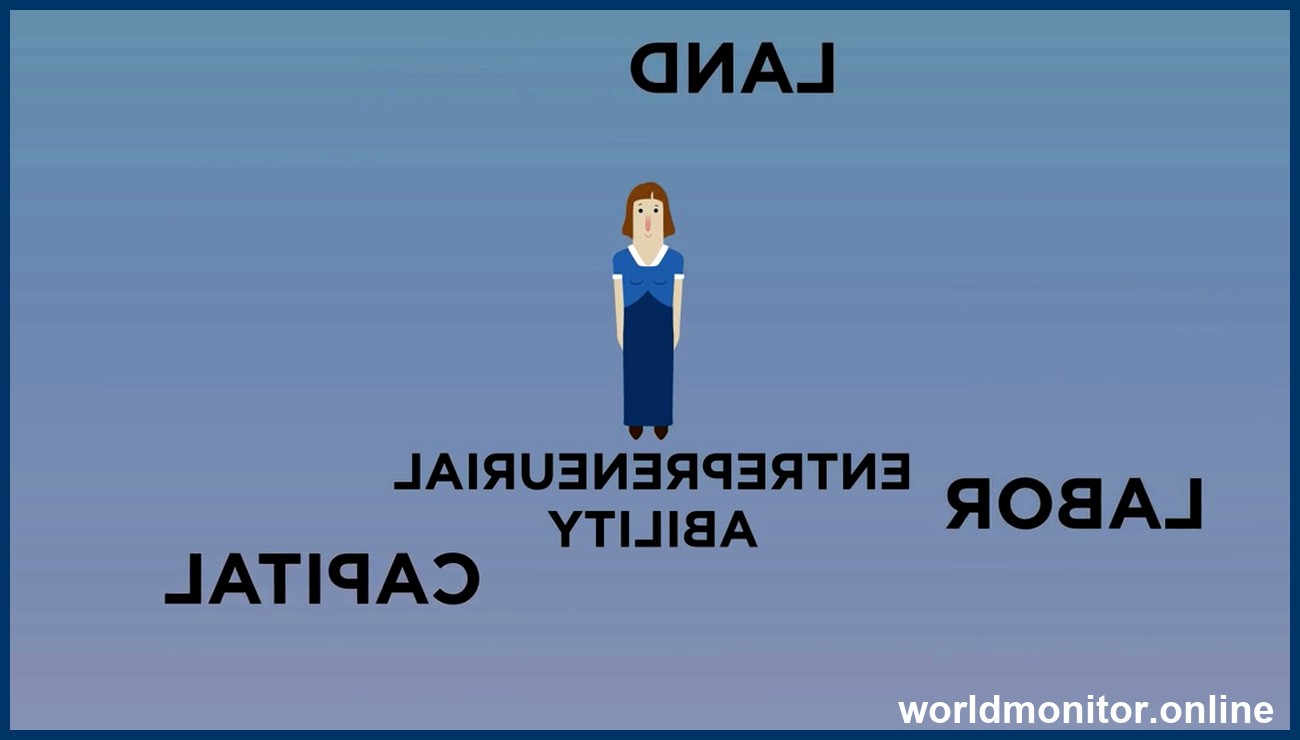
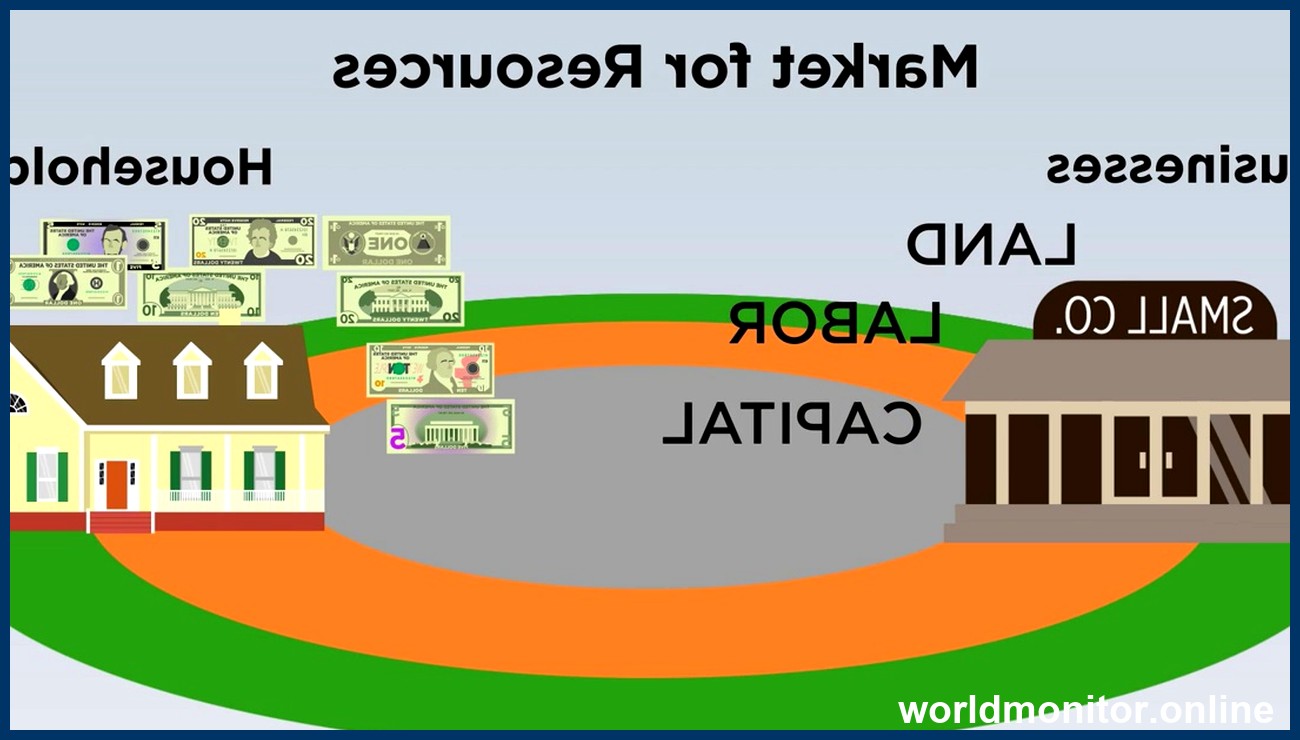
The circular flow model demonstrates how money and resources move through the economy, starting with households and businesses. Households own all economic resources, including land, labor, capital, and entrepreneurial ability, while businesses operate by purchasing these resources to produce goods and services.
"The circular flow model is a simplified yet powerful representation of how economic activity functions at a global scale."
The Role of Households in the Economy
Households are the primary owners of economic resources, including land, labor, capital, and entrepreneurial ability. These resources are essential for producing goods and services. For instance, land represents natural resources like oil, water, and trees, while labor refers to the work performed by individuals in exchange for wages.
Capital includes goods used to produce other goods and services, such as tools, machinery, and technology. Entrepreneurial ability involves the innovative and risk-taking capacity of individuals to combine resources and bring new products to market.

The Role of Businesses in the Economy
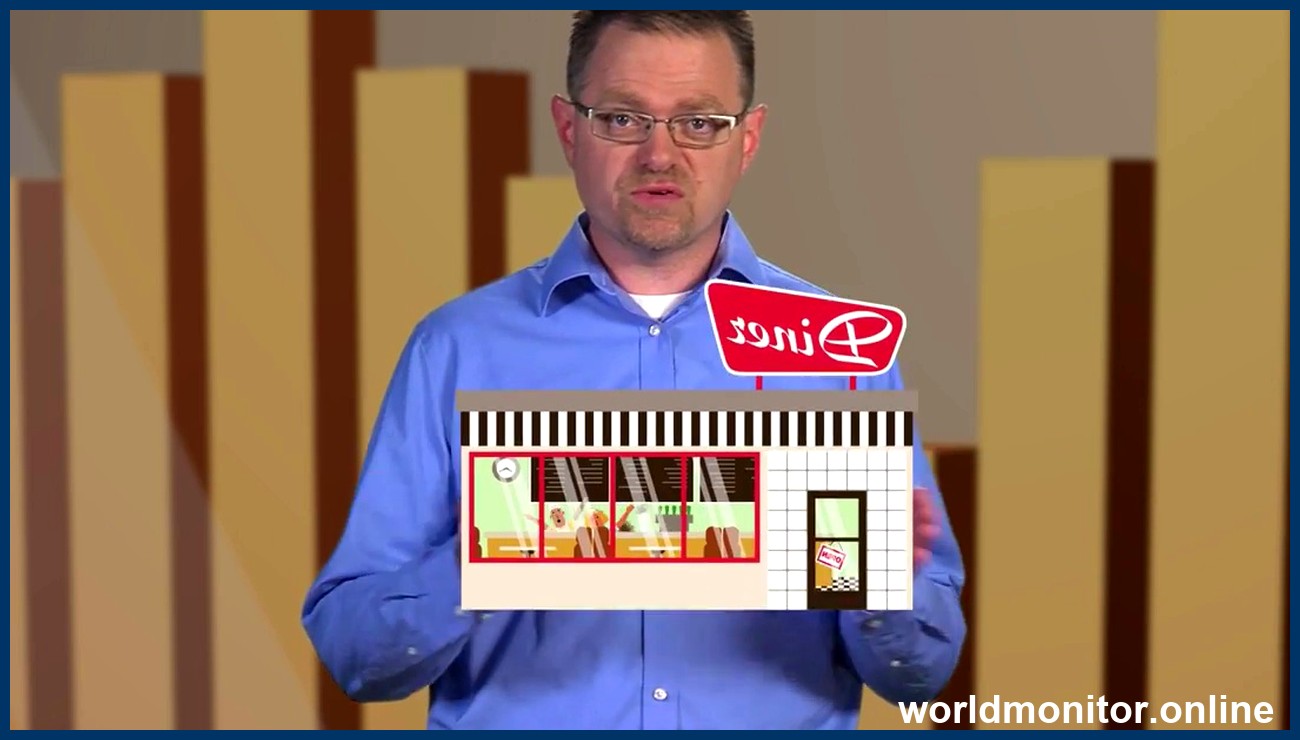
Businesses are the entities that produce and sell goods and services, ranging from small local enterprises to large multinational corporations. These organizations purchase economic resources from households to create value through production. For example, a diner uses labor, land, and capital to provide food and beverages to consumers.
Businesses also interact with the market for resources, where they acquire the necessary inputs to operate. This market includes the purchase of labor, land, capital, and entrepreneurial ability from households, forming the foundation of economic activity.
Market Interactions and Economic Transactions
At the core of the circular flow model are the interactions between households and businesses in various markets. The market for resources is where households sell their economic resources to businesses, which then use these resources to produce goods and services. This process is central to understanding how economies function globally.
For instance, a diner might purchase labor from its employees, land from a local farmer, and capital from equipment suppliers. These transactions represent the flow of resources and money within the economy, creating a continuous cycle of economic activity.
Global Implications of the Circular Flow Model
The circular flow model has significant implications for global economic policy and business strategy. By understanding how resources and money circulate, policymakers can make informed decisions that promote economic growth and stability. Similarly, businesses can leverage this model to optimize their operations and enhance competitiveness in the global market.
As the global economy continues to evolve, the circular flow model remains a crucial tool for analyzing economic relationships and fostering sustainable development. Its insights are invaluable for navigating the complexities of the modern economy.
Conclusion
In conclusion, the circular flow model offers a comprehensive view of economic dynamics, illustrating the intricate relationships between households, businesses, and markets. By understanding these interactions, stakeholders can better navigate the challenges and opportunities of the global economy, ensuring long-term prosperity and stability.