
China's Semiconductor Breakthrough Sparks Global Debate
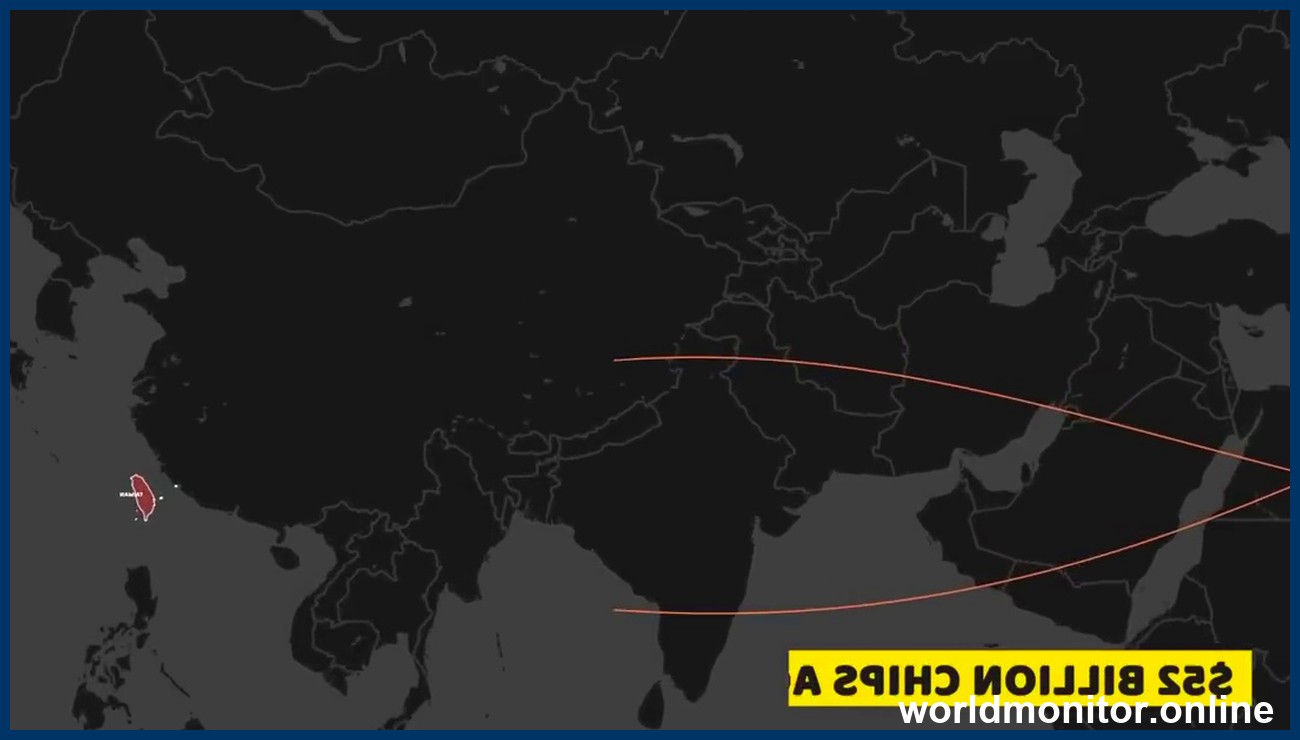
China's recent advancements in semiconductor technology have ignited a global discussion about the effectiveness of US sanctions and the broader implications for the global tech industry. The unveiling of Huawei's Kirin 9000S processor, manufactured by SMIC, marks a significant milestone in China's quest to develop its own advanced chip manufacturing capabilities.
Global Context
The United States has long imposed stringent export controls on China, aiming to restrict access to cutting-edge semiconductor technology. These measures were designed to limit China's ability to produce advanced microchips, which are crucial for a wide range of technologies, from smartphones to artificial intelligence. The recent release of the Kirin 9000S, however, has raised questions about the effectiveness of these sanctions and the resilience of China's domestic technology sector.
The Semiconductor Manufacturing Conundrum
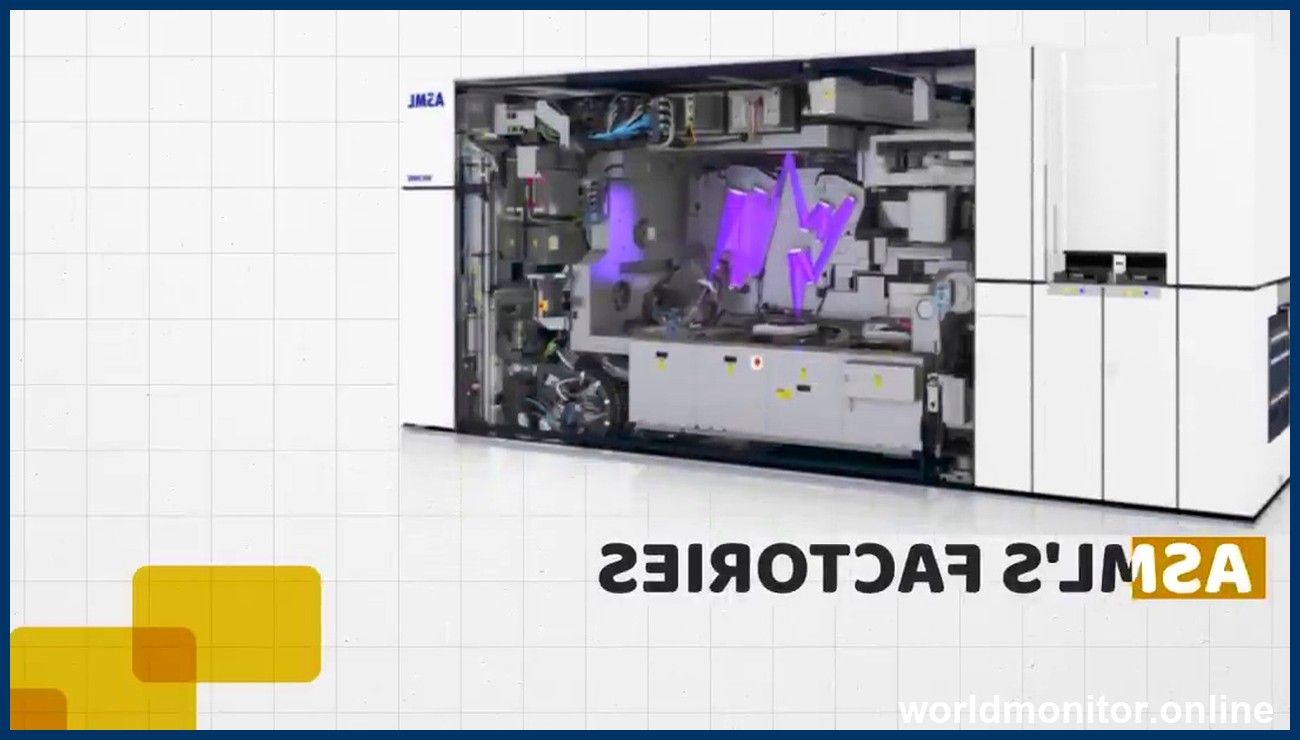
At the heart of the semiconductor manufacturing challenge lies the extreme ultraviolet (EUV) lithography scanner, a critical piece of equipment required for producing advanced chips at the 7nm and smaller nodes. This technology is currently the domain of ASMR, a Dutch company, which is legally restricted from selling EUV technology to China due to US diplomatic pressure.
Despite these restrictions, China has managed to produce the Kirin 9000S using older EUV machines, a process that involves multi-patterning to achieve the desired chip design. However, this method results in a significantly lower yield rate and higher production costs, highlighting the technological and economic challenges China faces in developing its own semiconductor industry.

The Human Element in Semiconductor Technology
The complexity of semiconductor manufacturing extends beyond the physical equipment and technical processes. It is also deeply rooted in the tacit knowledge and expertise of the engineers and scientists involved. The EUV technology requires a level of understanding and intuition that is passed down through generations of Western engineers, making it extremely difficult to replicate without access to this specialized knowledge.
China's attempt to overcome these challenges through state funding and a socialist market economy model has led to the allocation of a substantial financial resource to support its semiconductor industry. However, this approach is often criticized for its inefficiency and the potential for significant financial losses, as the costs of producing 7nm chips are estimated to be up to 10 times higher than the market price.
The Broader Implications of the Semiconductor Crisis
The semiconductor crisis is not an isolated issue but part of a larger global economic and technological landscape. The reliance on a handful of key technologies and suppliers creates vulnerabilities that can be exploited or exacerbated by geopolitical tensions. The situation with China's semiconductor industry underscores the importance of diversifying supply chains and investing in domestic technology capabilities to mitigate such risks.
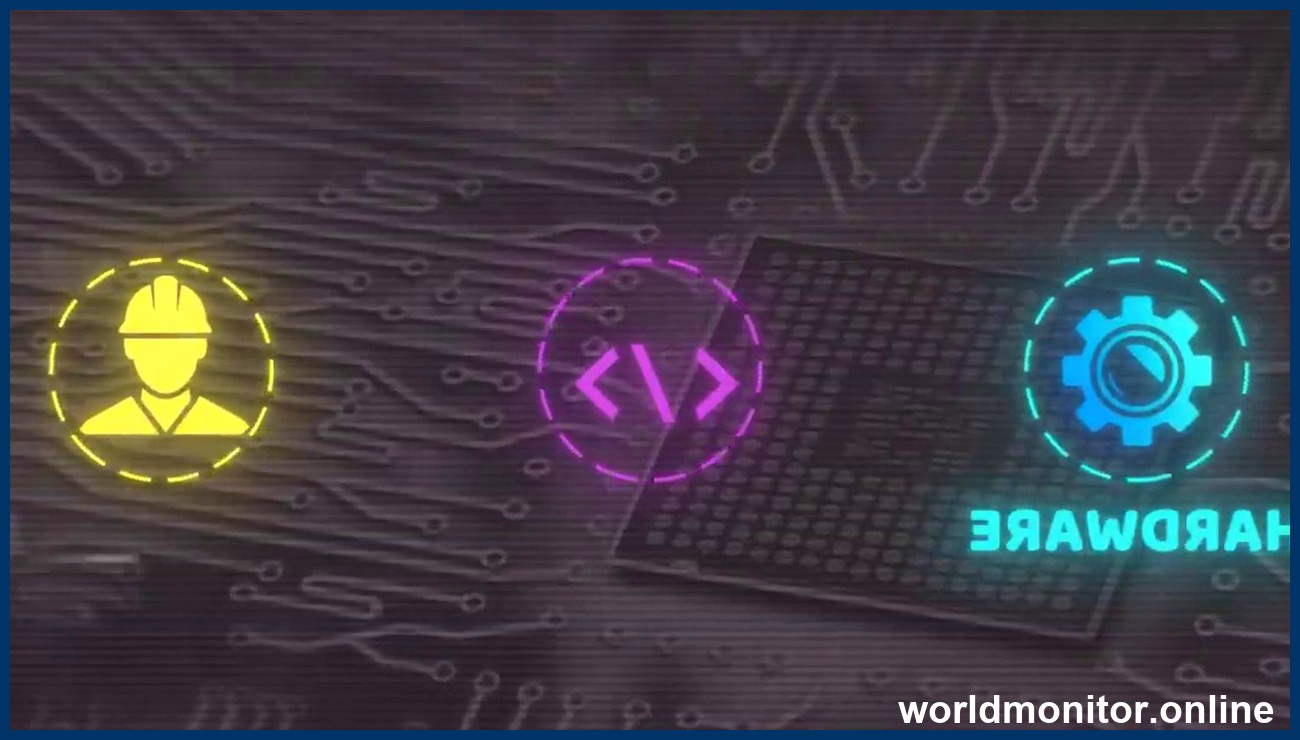
As the global economy continues to be strangled by three absolute choke points—hardware, code, and human resources—the need for a more resilient and diversified approach to technology development becomes increasingly urgent. The semiconductor industry's challenges serve as a microcosm of the broader issues facing the global economy, highlighting the need for collaboration and innovation to overcome these critical dependencies.
Conclusion and Future Outlook
While China's progress in semiconductor technology is a significant achievement, it also highlights the complex and multifaceted nature of the global semiconductor crisis. The challenges faced by China in developing its own advanced chip manufacturing capabilities are not just technical but also economic and geopolitical. As the world continues to navigate these challenges, the role of international cooperation and innovation in addressing these issues will be crucial.