
Airlines' Fuel Crisis: Delta's Bold Move to Control Costs
Commercial airlines operate in an environment where even the smallest cost variations can determine financial survival. The industry's relentless pursuit of efficiency has led to extreme cost-cutting measures, from removing olives from first-class meals to optimizing aircraft maintenance. However, the most critical cost—jet fuel—remains a volatile factor that can devastate an airline's balance sheet.
Global Context
The aviation industry's financial health is closely tied to global energy markets. With fuel accounting for over a third of operating costs, airlines face an existential risk when oil prices fluctuate. In 2012, Delta Airlines faced a crisis that highlighted the industry's vulnerability to fuel price volatility.
Delta's Fuel Dilemma
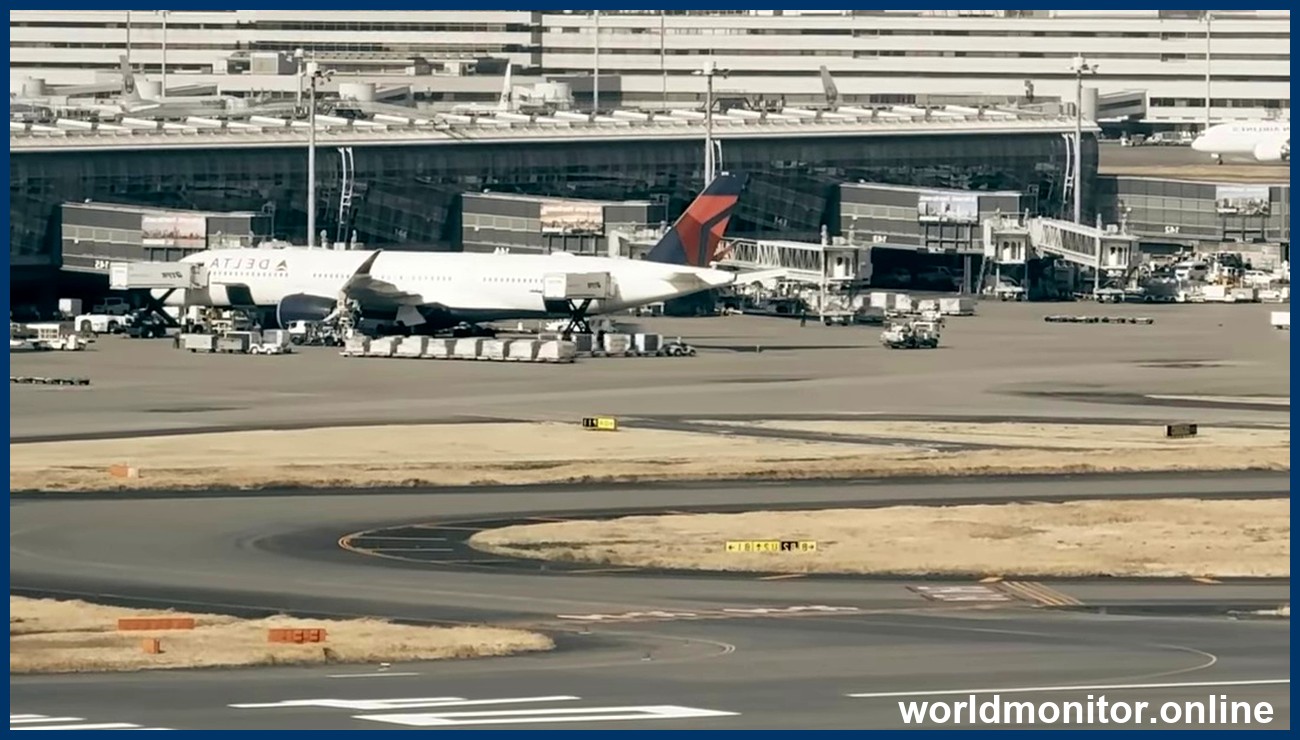
By 2012, Delta's fuel costs had reached an astonishing $12.25 billion, representing 36% of its total operating expenses. This staggering figure underscored the airline's dependence on a commodity it couldn't control. Unlike labor or aircraft leases, fuel prices are dictated by global markets, leaving airlines exposed to unpredictable fluctuations.
The Refinery Solution
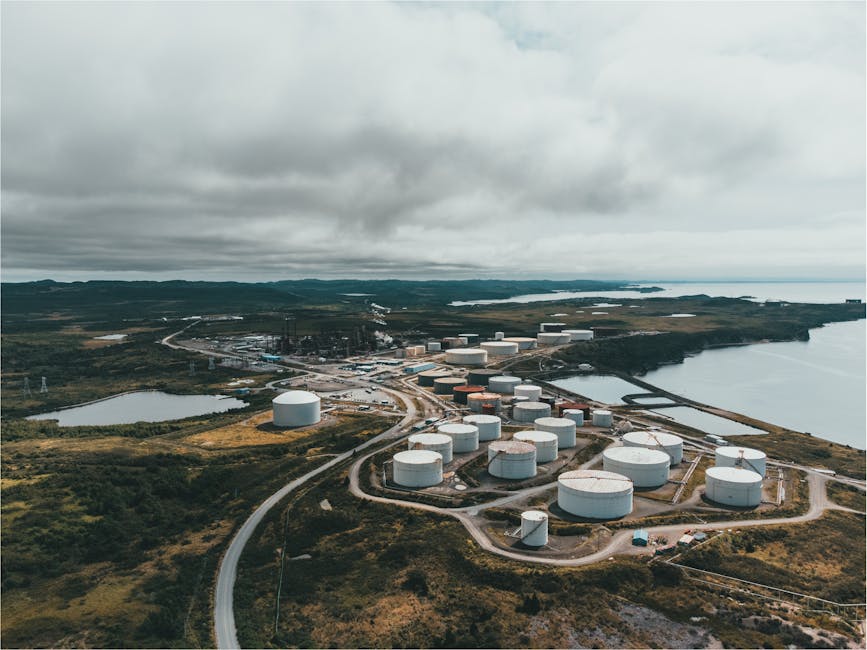
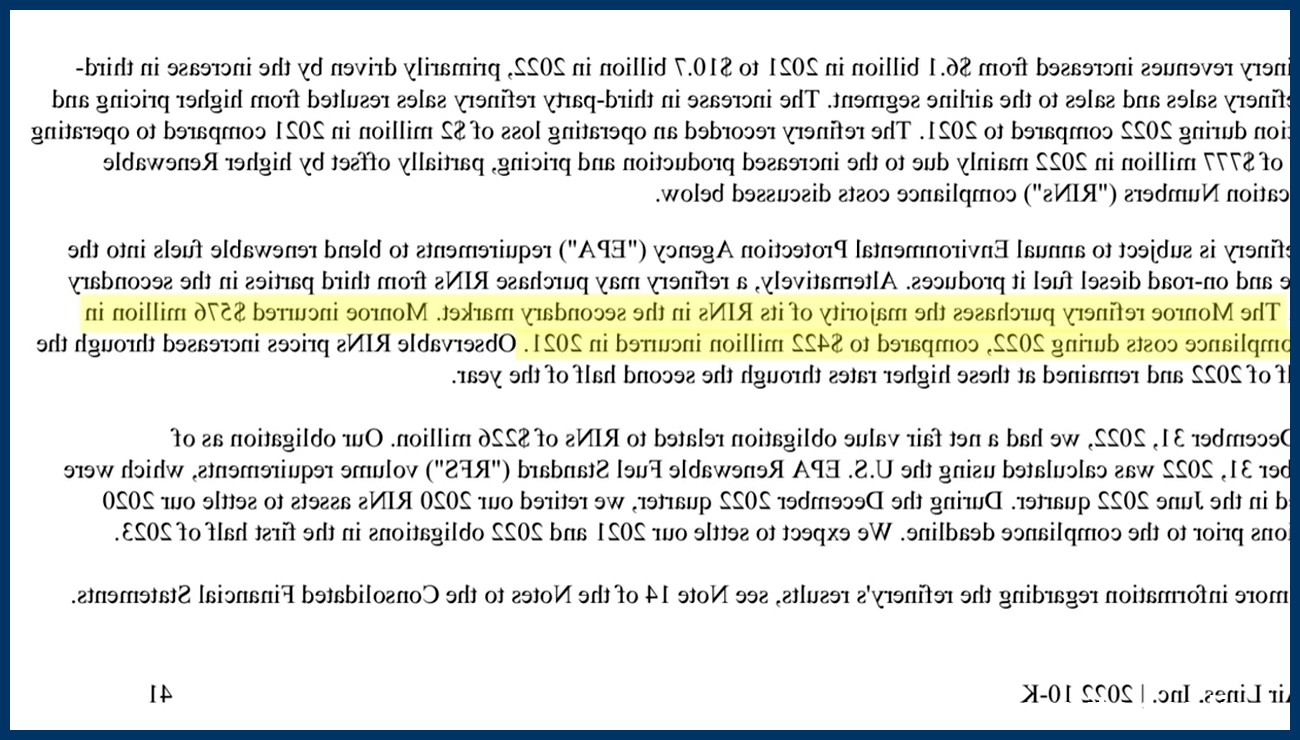
Seeking to mitigate this risk, Delta made an unprecedented move. The airline purchased a real, physical industrial oil refinery, a strategy that no other carrier had ever attempted. This decision was driven by the need for absolute control over the single raw input that could destroy their balance sheet overnight.
Understanding Fuel Refinement
Jet fuel is not derived directly from crude oil. The refining process involves complex chemical operations that transform raw crude into usable products. This process, known as fractional distillation, separates hydrocarbons at different temperatures to produce diesel, caracene, and eventually jet fuel. 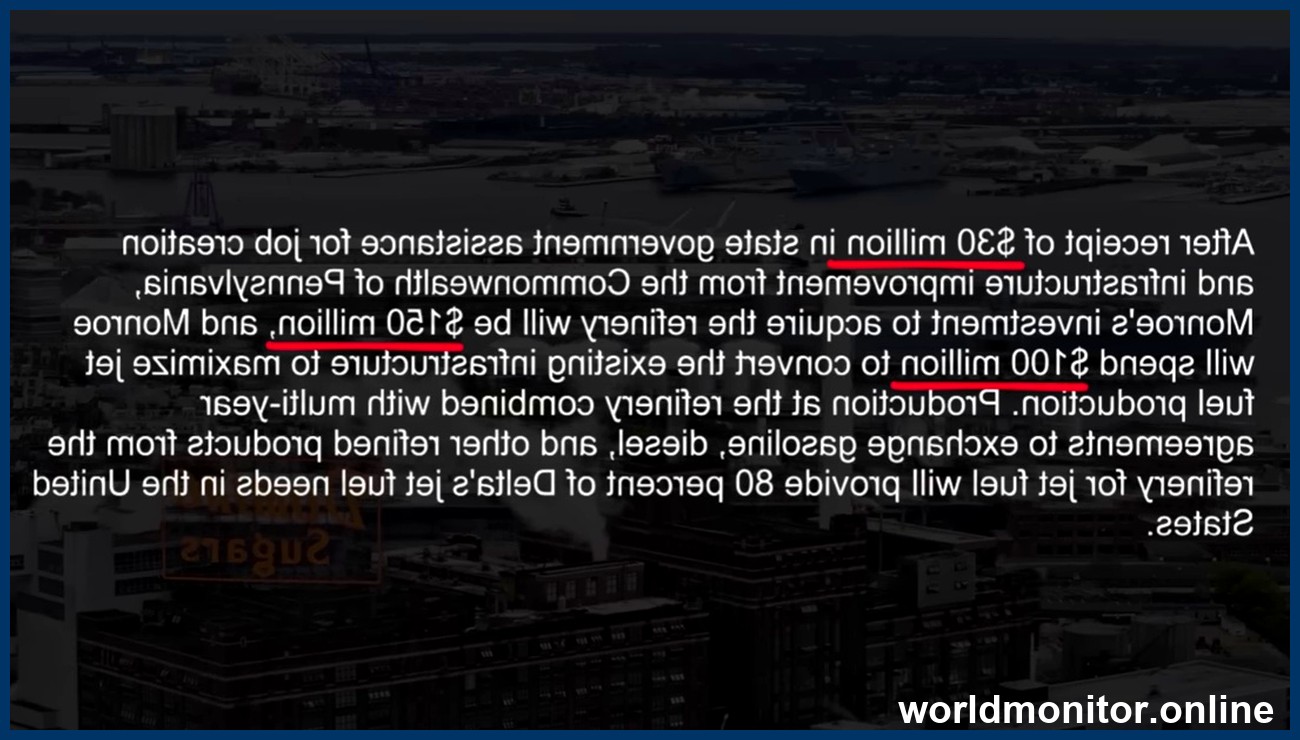
Refineries operate under a critical economic metric known as the crack spread. This represents the difference between the wholesale price of refined products and the price of crude oil. When crude is cheap but refined products are expensive, the crack spread is wide, and refineries make substantial profits. Conversely, when crude is expensive and demand for refined products drops, the spread narrows, leading to significant losses for refineries.
The Hidden Risk for Airlines
This dynamic creates a hidden risk for airlines. The airline industry's reliance on refined products means they are indirectly affected by the crack spread. When the spread narrows, refineries struggle, and airlines face higher fuel costs. This intricate relationship highlights the complex interplay between energy markets and aviation economics.
Global Implications
The situation reflects a broader trend in global energy markets. As the world's largest airlines face similar vulnerabilities, the industry's reliance on fossil fuels becomes a critical point of contention. The purchase of a refinery by Delta represents a radical shift in strategy, one that could influence how airlines approach fuel management in the future.
Looking Ahead
As the aviation industry continues to grapple with fuel costs, the lessons from Delta's bold move will likely shape future strategies. The airline's decision to control its fuel supply chain demonstrates the lengths to which the industry will go to secure stability in an unpredictable market. 
Ultimately, the story of Delta's refinery purchase is a testament to the airline industry's relentless pursuit of cost efficiency. It underscores the delicate balance between operational needs and financial sustainability in an era of volatile global markets.